Wondering why two Chesterfield subdivisions with similar price points can feel so different once you start touring them? If you are moving up for more space, a better layout, or a yard that actually works for your daily life, the right choice usually comes down to more than square footage. This guide will help you compare Chesterfield subdivisions in a practical, objective way so you can focus on fit, trade-offs, and long-term value. Let’s dive in.
Why subdivision comparison matters in Chesterfield
Chesterfield is an established, mostly owner-occupied market. Census QuickFacts reports a 77.6% owner-occupied housing unit rate, a median value of $472,500 for owner-occupied homes, and a 2024 population estimate of 49,465.
That matters because upsizing in Chesterfield is often less about finding any good neighborhood and more about choosing the subdivision that best matches how you live. In a stable, higher-value market like this, small differences in lot layout, road access, and home design can have a big impact on day-to-day comfort.
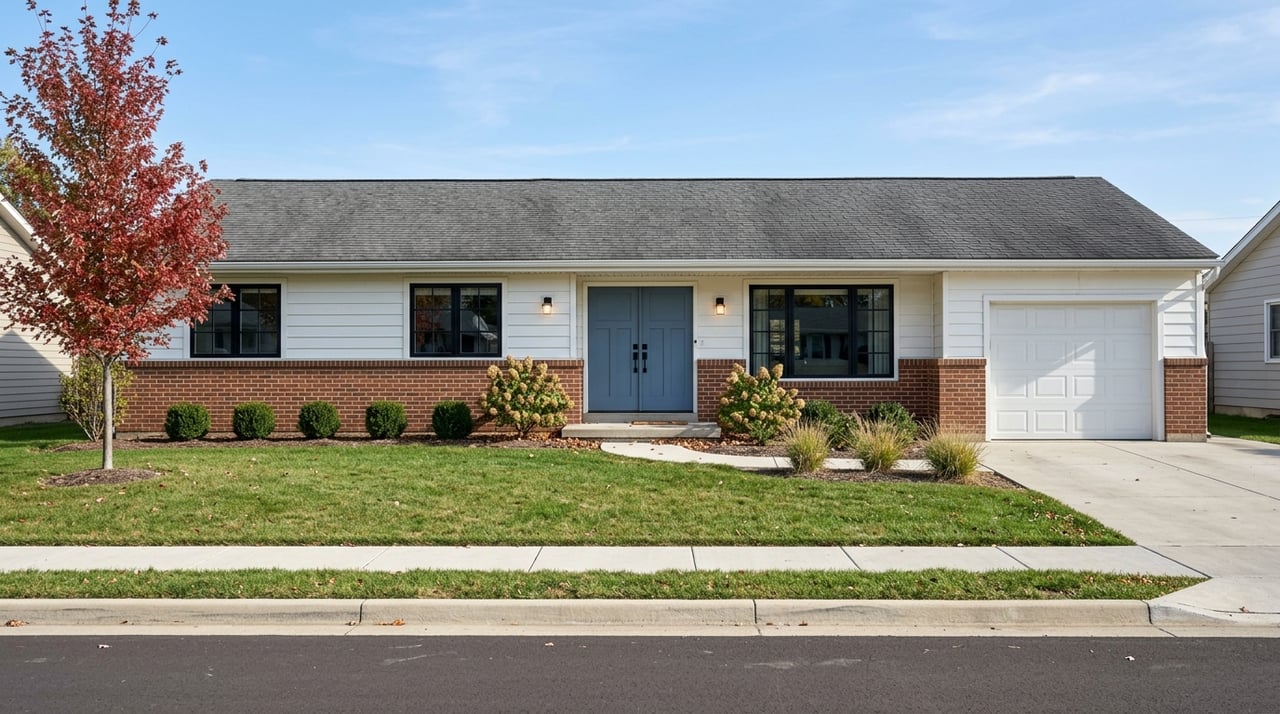
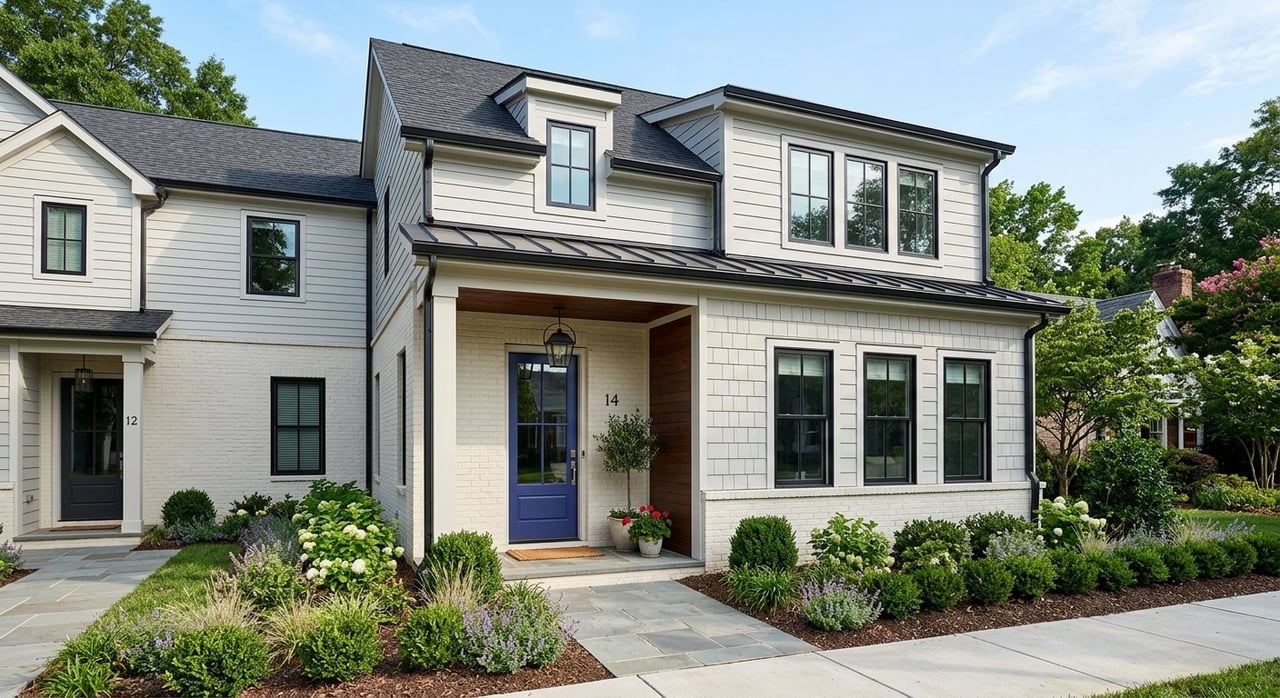
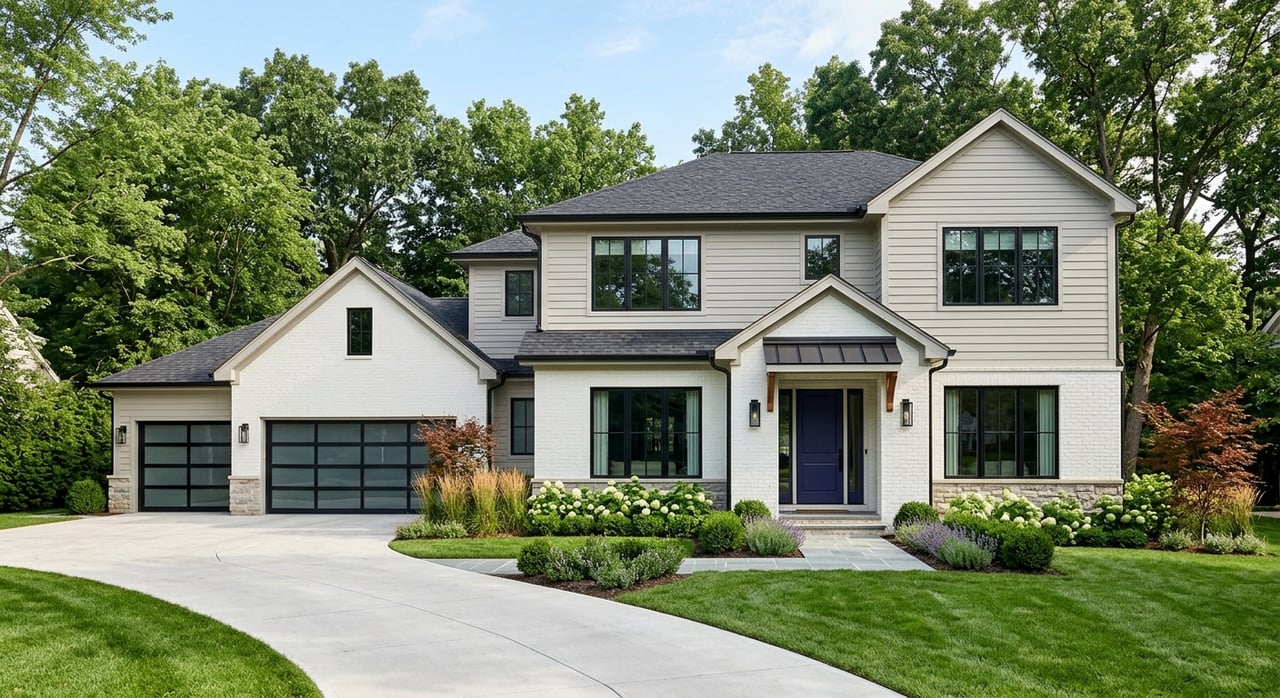
City planning documents also show that Chesterfield neighborhoods are not all built the same way. Some areas reflect larger-lot, lower-density single-family patterns, while newer proposals show more compact layouts with detached homes, attached units, private roads, pocket parks, and trails.
Start with built form, not just address
When you compare Chesterfield subdivisions, it helps to think beyond the subdivision name. The city’s planning materials describe suburban neighborhoods in terms of single-family detached homes, uniform densities, suburban street character, and buffers created by open space, topography, and landscaping.
In plain terms, two subdivisions in the same city can offer very different living experiences. One may feel open and spread out, while another may feel more compact and amenity-driven.
That is why the best comparison method is to evaluate how the subdivision is physically laid out and how that layout supports your routine. For most move-up buyers, four lenses matter most.
Compare home age and layout
A bigger home does not always mean a better fit. In Chesterfield, the housing stock can vary enough that the era of the home often gives you clues about layout, garage size, and likely maintenance needs.
Older layouts may offer more formal rooms or less open common space. Other homes may better match what many upsizing buyers want now, such as a larger kitchen, more pantry space, a main-floor office, better bedroom separation, and storage that supports hobbies, sports gear, or seasonal items.
Ask what space solves for you
Before you fall in love with square footage, ask yourself what problem you are trying to solve. Are you looking for a third car garage, a quieter work-from-home setup, or more separation between entertaining space and bedroom areas?
That simple shift can save you from overpaying for space you will not use. It also helps you compare homes more fairly across different Chesterfield subdivisions and home styles.
Think about systems and upkeep too
Home age is also a practical clue about maintenance. Even when two homes look similar online, they may come with very different expectations for systems, finishes, and future updates.
You do not need to rank one era over another. You just need to know whether the home’s design and likely upkeep align with your budget, timeline, and comfort level.
Compare lot size by usable yard
Lot size on paper is only the starting point. Chesterfield planning language makes clear that setbacks, slopes, preserved open space, buffers, and landscape areas can shape how much of a parcel is actually functional.
That means two homes with similar lot sizes can feel very different once you walk outside. One may offer broad side yards and a deep rear yard, while the other may lose a meaningful amount of usable space to slope, setbacks, or common-ground conditions.
Look for functional outdoor space
If you are upsizing, think specifically about how you want to use the yard. You may want room for a patio expansion, play space, gardening, a future pool, or simply more breathing room between homes.
During a tour, try to separate total acreage from everyday usability. A smaller but flatter and better-shaped lot may serve you better than a larger parcel with constraints.
Check the site, not just the listing photos
Listing photos rarely show the full story of topography and setbacks. When you tour, notice where the yard sits, how the grade changes, and whether buffers or preserved areas reduce your real use of the land.
This is one of the easiest ways to compare Chesterfield subdivisions objectively. It turns an emotional reaction into a practical side-by-side evaluation.
Compare amenities against city options
Amenities can look impressive in a listing, but they only add value if you will actually use them. That is why it helps to compare HOA dues and subdivision amenities against Chesterfield’s broader public recreation network.
The city’s parks and recreation system includes Central Park, Eberwein Park, Logan Park, Railroad Park, River’s Edge Park, the Chesterfield Amphitheater, the Chesterfield Family Aquatic Center, and the Chesterfield Valley Athletic Complex. If a subdivision offers a pool, clubhouse, or landscaping services, ask whether those benefits truly improve your lifestyle or duplicate nearby public options.
Access can matter more than extras
Some subdivisions benefit from stronger access to Chesterfield’s parks-and-trails network. The Central Park trail map also identifies nearby civic destinations such as the Chesterfield Family YMCA, Sachs Branch Library, and Veterans Honor Park.
For some buyers, that access is more useful than a private amenity package. For others, bundled maintenance or neighborhood amenities may still be worth the dues.
Compare dues to real use
Try to make this comparison as practical as possible. If you rarely swim, a subdivision pool may matter less than easier access to city parks or trails.
If you value lower exterior upkeep, landscaping or maintenance support may carry more weight. The key is to compare what you pay for against what you will use consistently.
Compare commute routes and street access
In Chesterfield, convenience often comes down to how a subdivision connects to the larger road network. City road materials show the importance of collectors feeding traffic from local streets to arterials, and the city’s street classifications reference major corridors such as I-64, MO-141, and Long Road.
For an upsizing buyer, that means a home can look ideal on paper but still feel inconvenient if the everyday route out of the subdivision adds friction. The difference between direct arterial access and a longer path through quieter local streets can shape your weekly routine.
Test your real-world routes
When touring, ask which route you would actually use most often. That could mean access to I-64, MO-141, Long Road, Chesterfield Parkway, work destinations, parks, or regular shopping stops.
Try to evaluate the route based on how you live now, not just on a map screenshot. A subdivision’s location only tells part of the story. Its exit pattern tells the rest.
Ask whether roads are public or private
This is especially important in Chesterfield because some newer residential proposals include private roads. If a subdivision has private streets, ask who maintains them and how snow removal, repairs, and utility access are handled.
That is not just a paperwork detail. It can affect monthly costs, service expectations, and how the neighborhood functions during winter weather.
Watch for nearby public works projects
Chesterfield’s public works materials list active projects including I-64 Improvements from Chesterfield Parkway West to Long Road, Pathway on the Parkway, the Schoettler Road Sidewalk Extension, Wilson Avenue Improvements, and the Ladue Farm Bridge Replacement Project.
These projects may improve access over time, but they can also affect traffic patterns during ownership. If you are comparing subdivisions closely, it is smart to ask whether any nearby road, bridge, sidewalk, or utility work could change your usual routes.
Use a simple subdivision scorecard
If several Chesterfield subdivisions are still in the running, a scorecard can help you stay objective. You do not need anything fancy. A simple 1-to-5 rating system across a few categories can make your decision clearer.
Score each subdivision on:
- Home layout for your next stage of life
- Garage and storage practicality
- Usable yard space
- Amenity value relative to HOA cost
- Access to parks, trails, and civic destinations
- Ease of commute and daily driving routes
- Road maintenance clarity if streets are private
- Future flexibility for projects or updates
Think beyond move-in day
A smart upsizing move should work now and later. Chesterfield’s Planning Department guides local development, and the city’s building permit process is designed to ensure projects comply with zoning and building codes.
That matters if you may want to finish a basement, add on later, or make exterior changes after you buy. A subdivision that feels right today should also support your likely ownership plans over time.
The best Chesterfield subdivision is the best fit
There is no single best subdivision for every upsizing buyer in Chesterfield. The better question is which one balances home age, lot utility, amenity package, and commute pattern in the way that fits your life.
That is especially true in a city where neighborhoods can range from larger-lot single-family patterns to more compact, amenity-oriented communities. If you compare built form and daily function, you will make a clearer decision than if you focus only on name recognition or headline square footage.
If you want help comparing Chesterfield subdivisions with a practical, local perspective, the team at Yuede Brothers can help you narrow the options and move forward with confidence.
FAQs
What should you compare first when upsizing in Chesterfield subdivisions?
- Start with the four biggest factors: home age and layout, usable lot space, amenity value, and commute access.
Why does usable yard space matter more than lot size in Chesterfield?
- Because setbacks, slopes, buffers, preserved open space, and site layout can reduce how much of the lot you can actually use.
How can you compare Chesterfield subdivision amenities fairly?
- Compare HOA dues and included amenities against nearby public options like Chesterfield parks, trails, the aquatic center, and other civic facilities you may already use.
What road access questions should you ask in Chesterfield subdivisions?
- Ask which route you would use most often to reach major corridors like I-64, MO-141, Long Road, or Chesterfield Parkway, and whether the streets are public or private.
Why do private roads matter when buying in a Chesterfield subdivision?
- Private roads can affect maintenance responsibility, snow removal, repair expectations, and how the neighborhood operates over time.
Should you think about future renovations when comparing Chesterfield subdivisions?
- Yes. If you may want to finish a basement, build an addition, or make exterior changes later, it is smart to consider how local planning and permit requirements could affect those plans.