Thinking about buying a historic home in Saint Charles? It can be one of the most rewarding ways to own a home with real character, but it also comes with extra homework. If you are drawn to original details, older architecture, and the story behind a property, you need to know how local rules, inspections, and renovation plans can affect your budget and timeline. Here is what to look for before you buy, and how to move forward with more confidence.
Why Saint Charles historic homes stand out
Saint Charles has deep roots. The city traces its origins to 1769, served as Missouri's first state capital from 1821 to 1826, and describes itself as the oldest city on the Missouri River, according to the City of St. Charles.
That history shows up in the housing stock. The city's preservation program includes 26 individual landmarks and 6 historic districts with more than 3,000 properties, which makes historic and older homes a meaningful part of the local market.
You also should not expect every older home to look the same. A Missouri State Historic Preservation Office survey found a mix of Italianate, Folk Victorian, Queen Anne, Colonial Revival, Craftsman, Tudor Revival, and other vernacular forms across Saint Charles neighborhoods.
What historic character can mean
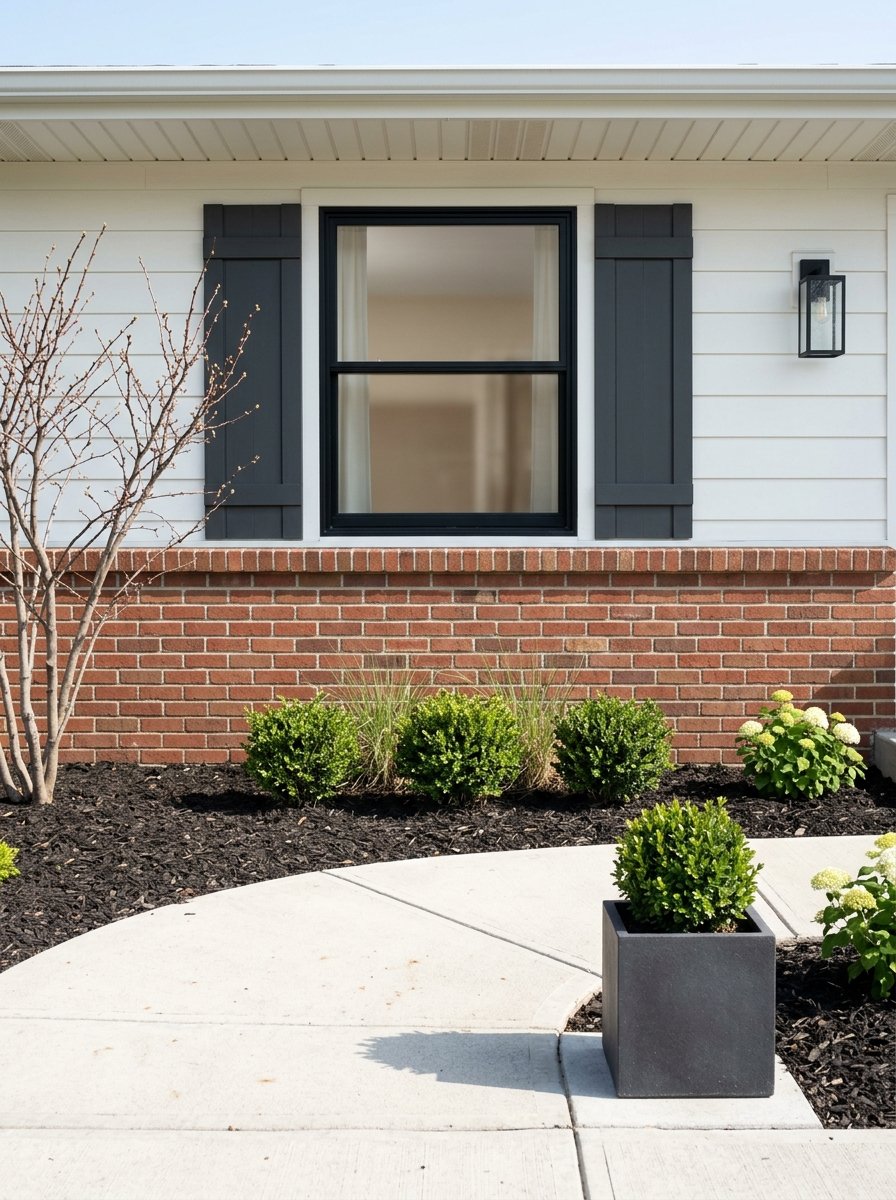
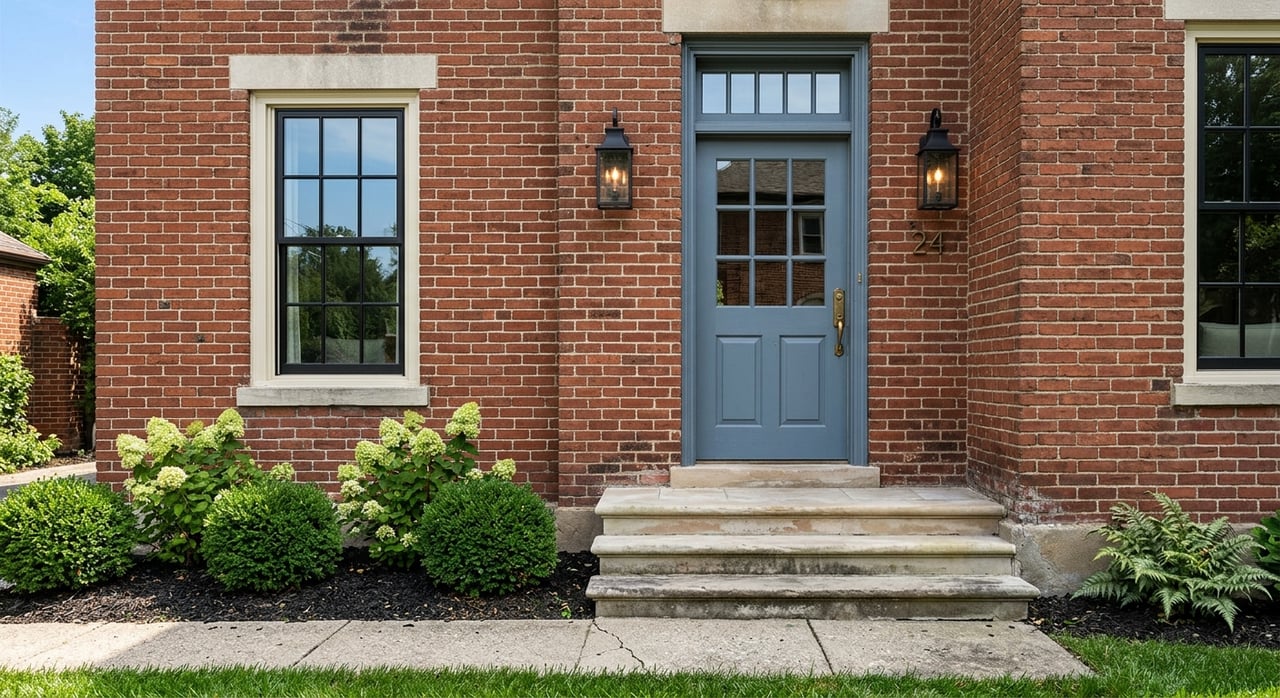
In practical terms, many Saint Charles historic homes include features that are hard and expensive to recreate once they are removed. The state survey points to common details like brick or masonry exteriors, decorative porches, tall narrow windows, asymmetrical shapes, spindlework, bracketed eaves, and bungalow or Colonial Revival forms.
That matters when you evaluate a home. Original trim, masonry, and windows are not just cosmetic features. In many cases, they are part of the home's value, appearance, and future maintenance plan.
Check district status before you offer
One of the biggest mistakes buyers make is assuming they can renovate a historic home the same way they would a newer property. In Saint Charles, that is not always the case.
The city advises buyers and owners to review historic district maps and preservation requirements because Landmarks Board approval may be required before exterior changes are made. This can apply to windows, doors, decorative elements, siding, porches, demolition, new construction, and even fence installation.
In many cases, if exterior work needs a building permit, it also needs Landmarks Board approval. The city uses a Certificate of Appropriateness application for proposed work, although some routine maintenance may not require review.
Why this matters for your timeline
If you plan to update a historic home, approvals can affect both scope and speed. A project that seems simple on paper may take more coordination if the work changes visible exterior features.
That does not mean you should avoid historic homes. It means you should confirm the rules early, especially if your plan includes replacing windows, changing a porch, altering siding, or making visible exterior upgrades.
Review the city disclosure carefully
Saint Charles requires a residential real estate disclosure for residential transactions. Since September 1, 2023, sellers have been required to provide and execute that disclosure.
This is especially important for historic-home buyers because the disclosure addresses building permits, inspections, historic preservation district requirements, floodplain development, fencing, site plan and architectural review, and zoning restrictions. In other words, it covers several issues that can directly affect how you use or improve the property.
Before you move forward, read that disclosure line by line. If anything is unclear, ask questions before you finalize your due diligence period.
Take floodplain risk seriously
Because Saint Charles is a river city, floodplain review deserves extra attention. The city participates in the National Flood Insurance Program and states that it cannot legally determine whether a parcel is in the floodplain.
Instead, buyers are directed to use a flood-zone determination company, an insurer, a registered Missouri land surveyor, or the official FEMA Flood Map Service Center. You should verify flood risk separately rather than relying on assumptions based on the street, neighborhood, or seller comments.
Floodplain questions to ask
- Is the property in a mapped flood-hazard area?
- Will flood insurance be required by your lender?
- Have past improvements triggered any floodplain-related requirements?
- Could future additions or exterior work be affected by floodplain rules?
Focus your inspection on older-home issues
A standard home inspection is important, but older homes often need more targeted review. Historic charm does not cancel out the realities of age.
Your inspection strategy should focus on health, safety, and long-term building performance first. Cosmetic upgrades can wait. Hidden issues usually cannot.
Lead paint in pre-1978 homes
If the home was built before 1978, lead-based paint should be on your radar. The EPA says older homes are more likely to contain lead-based paint, including some lead paint found in 87% of homes built before 1940 and 24% of homes built between 1960 and 1978, according to the EPA's lead guidance.
If you are buying an older home and plan to disturb painted surfaces during renovation, use lead-safe practices or hire a certified contractor. This is especially important for trim, windows, doors, and porches where paint layers may have built up over time.
Asbestos in older materials
Asbestos is another issue that often comes up in older homes. The EPA states that you cannot determine whether a material contains asbestos just by looking at it.
If you suspect older floor tile, ceiling tile, pipe wrap, insulation, or similar materials and the material is damaged or will be disturbed during renovation, the EPA recommends sampling by a trained and accredited asbestos professional.
Moisture and masonry problems
Moisture management is one of the most important parts of owning an older home. The National Park Service explains that historic houses are often drafty and can admit rain and damp air through missing mortar, cracks around windows and doors, and other weak points in the building envelope.
The National Park Service guidance on moisture control recommends keeping roofs, gutters, downspouts, siding, and masonry in good repair. It also warns against waterproof coatings on above-ground masonry walls because those coatings can trap moisture.
Windows that may be worth repairing
Historic windows often get replaced too quickly. According to the National Park Service's window evaluation guidance, deteriorated historic features should be repaired rather than replaced whenever possible.
In many cases, performance can be improved with weatherstripping, storm windows, glazing repair, and targeted restoration. If a window is truly too damaged to save, documentation and a thoughtful evaluation help support replacement decisions under preservation standards.
Plan renovations with preservation in mind
Buying a historic home is not just about what you want to change. It is also about understanding what should stay.
The Secretary of the Interior's Standards for the Treatment of Historic Properties explain that rehabilitation should preserve historic character while allowing compatible updates. That means repairs, alterations, additions, and modern mechanical, electrical, and plumbing improvements can be appropriate when handled carefully.
This is why bringing in the right people early matters. If you consult preservation-minded contractors, inspectors, and specialists before you finalize your scope, you are less likely to overbudget the wrong items or remove features that add long-term value.
Smart renovation priorities
If you are building a renovation plan, focus in this order:
- Roof, drainage, and moisture control
- Safety items such as lead and possible asbestos concerns
- Structural and masonry needs
- Mechanical, electrical, and plumbing upgrades
- Window and exterior feature repair
- Cosmetic updates and design finishes
That order can help you protect the house first, then improve comfort and appearance without creating bigger issues later.
Consider energy updates carefully
Older homes were not designed around modern energy standards, but that does not mean the only answer is wholesale replacement. The Department of Energy notes that historic buildings predate modern energy-efficient design, and preservation guidance supports thoughtful upgrades instead of one-size-fits-all solutions.
In many Saint Charles historic homes, improvements like weatherstripping, storm windows, glazing repair, and air-sealing may support better performance while preserving original features. Before you replace older materials, make sure you understand both the energy benefit and the preservation impact.
Know the incentives before you remodel
Historic-home buyers sometimes overlook incentive programs that could affect the numbers. Missouri's historic preservation tax incentives may apply, but eligibility depends on the property and how it is used.
The state says its historic preservation tax credit can apply to owner-occupied properties. The federal historic rehabilitation tax credit, however, is limited to income-producing, depreciable property and requires the same owner to operate the building as income-producing for five years after rehabilitation.
In general, the property must be individually listed in the National Register of Historic Places or contribute to a National Register district or Certified Local District. Missouri also notes that local historic boards do not have tax-credit approval authority.
The city also states that it offers a façade grant program for exterior improvements, although buyers should confirm current availability and program details with the Community Development Department.
Think about resale from day one
When you buy a historic home, your renovation choices can shape future resale appeal. In a market with preservation standards and strong architectural identity, repairs and updates that respect the home's original character are often easier to position than mismatched changes.
That is especially true in Saint Charles, where exterior review can affect what future owners can modify. If you make thoughtful, compatible improvements, you may reduce friction later when it is time to sell.
For buyers planning to hold the property as a rental or long-term investment, the planning gets even more important. Tax-credit eligibility, preservation review, operating costs, and renovation scope can all change the overall return.
A practical buying checklist
Before you buy a historic home in Saint Charles, make sure you:
- Confirm whether the property is in a local historic district or landmark area
- Ask whether your planned work will need a Certificate of Appropriateness, a building permit, or both
- Review the city disclosure for historic-preservation, floodplain, fence, and zoning details
- Verify flood risk through FEMA or a flood-zone professional
- Ask inspectors about lead, possible asbestos, moisture intrusion, masonry, and windows
- Budget for repairs that preserve important original features when possible
- Review possible tax-credit or façade-grant opportunities if they fit your plans
Buying a historic home in Saint Charles can be a smart and satisfying move if you go in with clear expectations. The right property can offer lasting character, architectural detail, and a strong connection to the city's history, but success usually comes from careful due diligence, realistic budgeting, and a renovation plan that respects both the house and the local rules.
If you want help evaluating older homes, understanding local market context, or planning your next move in Saint Charles, connect with Yuede Brothers. Their team brings local insight, practical guidance, and full-lifecycle real estate support for buyers, sellers, and investors.
FAQs
What should you check before buying a historic home in Saint Charles?
- You should confirm whether the home is in a historic district or landmark area, review the city disclosure, verify floodplain status, and ask early whether planned exterior work will require Landmarks Board approval or a Certificate of Appropriateness.
Do Saint Charles historic homes require approval for exterior changes?
- In many cases, yes. The City of St. Charles says exterior work involving windows, doors, siding, porches, decorative elements, demolition, new construction, and fences may require Landmarks Board approval, especially when a building permit is also required.
Why is floodplain research important for historic homes in Saint Charles?
- Saint Charles is a river city, and the city says buyers should verify flood risk through FEMA, an insurer, a flood-zone determination company, or a registered Missouri land surveyor rather than relying on assumptions.
What inspection issues matter most in older Saint Charles homes?
- Common priorities include lead-based paint in pre-1978 homes, possible asbestos in older materials, moisture intrusion, roof and drainage issues, masonry condition, and whether historic windows can be repaired instead of replaced.
Are there tax incentives for renovating a historic home in Missouri?
- Potentially. Missouri says its state historic preservation tax credit can apply to owner-occupied properties, while the federal historic rehabilitation tax credit is limited to income-producing property and has separate eligibility rules.
Should you replace old windows in a Saint Charles historic home?
- Not automatically. The National Park Service says historic windows should be repaired rather than replaced whenever possible, and performance can often be improved with weatherstripping, storm windows, glazing repair, and related upgrades.