If you are looking at rental property in Florissant, the first big question is simple: do you want speed or upside? Some homes are close to rent-ready from day one, while others need work before they can legally and practically produce income. In a market with older housing stock, local inspections, and permit rules, that choice matters more than many investors expect. This guide will help you compare turnkey vs. fixer rental deals in Florissant so you can match the property to your timeline, budget, and risk tolerance. Let’s dive in.
Why Florissant Gets Investor Attention
Florissant is one of the larger, more established suburbs in North St. Louis County. According to the U.S. Census QuickFacts for Florissant, the city had 52,533 residents in the 2020 Census, a 66.5% owner-occupied housing rate, and a median owner-occupied home value of $136,200. The same source shows 89.3% of residents lived in the same house one year earlier, which points to a relatively stable residential base.
For investors, the price point is part of the appeal. Zillow’s Florissant housing data places median sale price around $185,539 and median list price around $191,667, with homes going pending in about 17 days. The same Zillow data shows average rent figures in the roughly $1,510 to $1,599 range, which creates a rough gross-yield picture near 9.8% to 10.3% before expenses.
Florissant also appears to function more like a single-family rental market than a dense apartment market. In the city’s 2025 Annual Action Plan, officials note that single-family housing remains the priority need even as rental dwellings increase and unmet demand remains. That context matters when you are deciding whether a rent-ready house or a value-add project fits your goals.
What Turnkey Means In Florissant
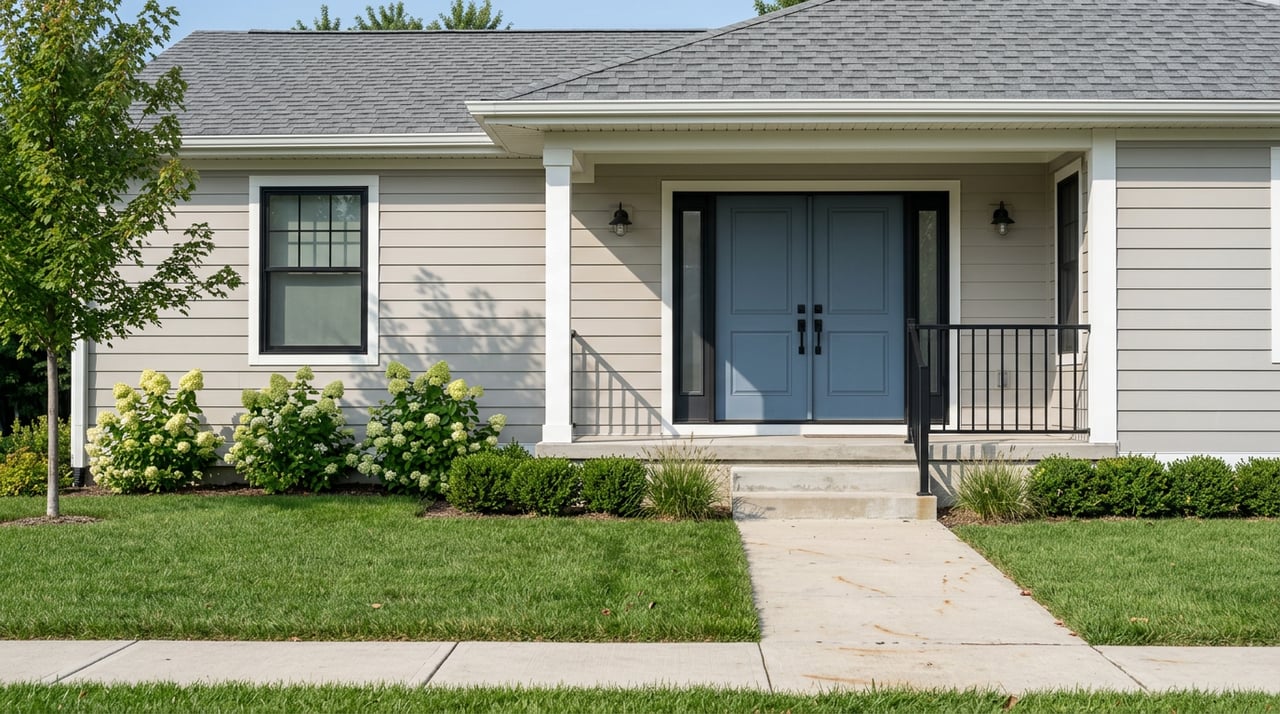
In Florissant, a turnkey rental is usually not a luxury remodel or a flashy investor flip. More often, it is a single-family detached home that is mechanically sound, code-compliant, and close to being ready for occupancy and lease-up.
The city’s housing analysis shows 78.4% of housing units are detached, and 82% of owner-occupied units had three or more bedrooms. That suggests many rental opportunities are practical, family-sized houses that can work well as long-term rentals without a major repositioning plan.
If you buy turnkey, your value is usually in faster execution. You are paying for less rehab uncertainty, fewer construction decisions, and a shorter path to marketing the property for rent. In a city with inspection and licensing requirements, reducing steps can make a meaningful difference in your vacancy timeline.
Pros Of A Turnkey Rental
A turnkey property can make sense if you want a cleaner path from closing to cash flow. Benefits often include:
- Faster rent-up potential
- Lower exposure to renovation surprises
- Easier budgeting up front
- Less risk of extended vacancy during repairs
- Simpler coordination if you are buying from out of area
For investors who want predictable operations, turnkey often fits best when the home already meets the city’s practical standards for occupancy and rental use.
Limits Of A Turnkey Rental
Turnkey homes can still need attention. Even if a property looks rent-ready, you still need to account for licensing, inspection timing, utilities, and any deferred maintenance that appears during turnover.
You may also pay more up front for a cleaner asset. That can compress your margin compared with a successful value-add deal, especially if the seller has already priced in the convenience of a rent-ready condition.
What A Fixer Looks Like In Florissant
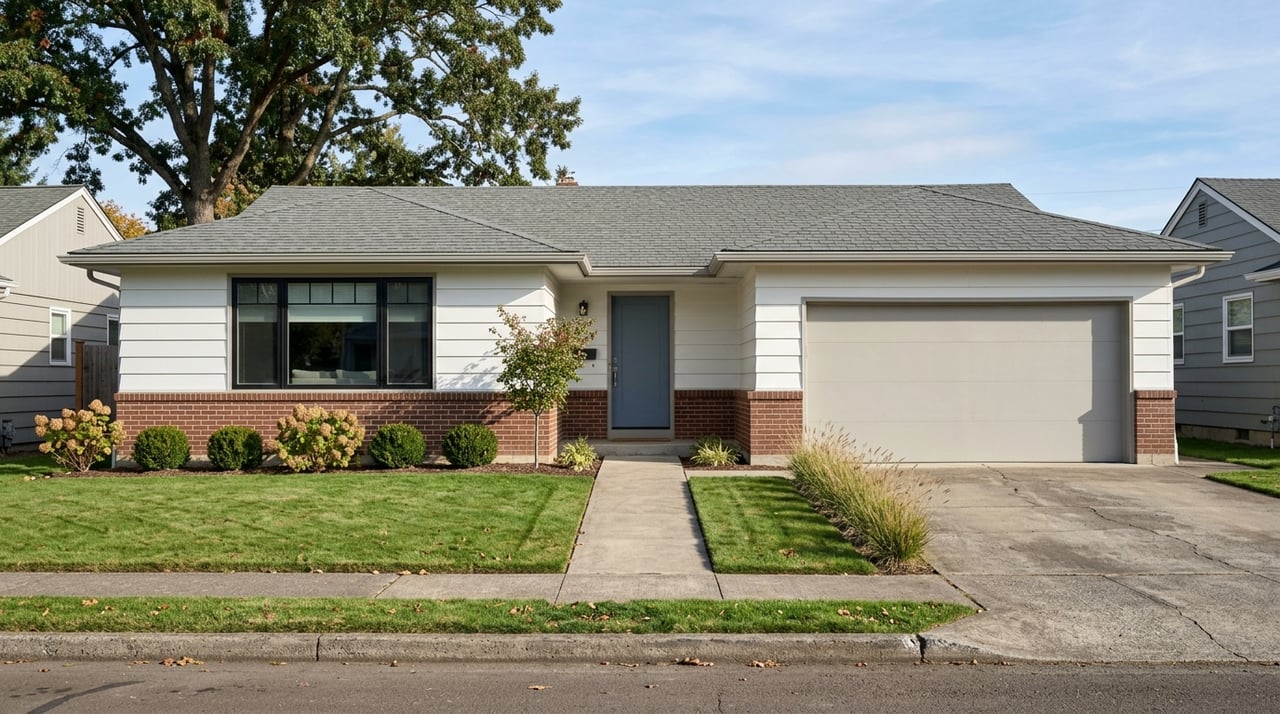
A fixer in Florissant is usually an older home where the main challenge is not just cosmetic updates. In many cases, it is a systems and code-compliance project first, then a cosmetic project second.
That is because Florissant’s housing stock skews older. The city’s consolidated housing analysis shows most housing was built before 1980, and 84% of renter-occupied units were built before 1980. Older homes raise the odds of work involving roofs, HVAC systems, plumbing, electrical systems, and lead-paint-related issues.
The city’s current housing priorities reinforce this pattern. Florissant’s 2025 Annual Action Plan includes owner-occupied repair support such as forgivable home-improvement loans and separate HVAC or water-heater grants, which signals an ongoing local need for repair and mechanical replacement.
Pros Of A Fixer Rental
A fixer can create opportunity if you know how to underwrite time, repairs, and compliance. Potential advantages include:
- Lower purchase price compared with a cleaner home
- Room to improve condition and tenant appeal
- Opportunity to solve major deferred maintenance before lease-up
- Potential for stronger long-term control over repair standards
If your team knows how to manage scope, contractors, and inspection sequencing, a fixer can be a practical buy-and-hold strategy in Florissant.
Risks Of A Fixer Rental
The biggest mistake with fixers is underestimating timeline risk. In Florissant, the project is not done when the contractor leaves. You may still need permit closeout, utility activation, occupancy scheduling, and possible re-inspections before a tenant can move in.
Holding costs can add up while the home sits vacant. If the property remains vacant during the process, the city also lists a vacant property registration form with a $200 fee, which is another line item to keep in mind.
Permits And Inspections Matter Here
Florissant’s local rules are a major reason turnkey vs. fixer is not just a pricing question. The city requires permits for many common remodeling items, including basement remodeling, garages, decks, porches, sheds, room additions, fireplaces, plumbing work, electrical wiring, water-heater replacement, and furnace or air-conditioner installation.
According to the city’s permit information page, some permit reviews take 7 to 10 days, while certain plumbing, electrical, and mechanical permits can be issued in about 72 hours. That means your rehab schedule needs to include city processing time, not just contractor availability.
Occupancy timing matters too. Florissant’s occupancy inspection form states that appointments are scheduled at least 7 working days out, utilities must be on, the property must be move-in ready, and no one may move in or even move belongings in without an approved inspection. The form also notes that re-inspections cost $50 each.
For investors, this creates a simple reality: a cheaper purchase can become an expensive delay if your planning is weak.
Rental Licensing Affects Your Decision
Florissant also has rental-specific compliance rules that should shape how you evaluate deals. The city’s rental license ordinance requires a residential rental license costing $50 per dwelling unit, renewed by the end of January.
The same ordinance states that no new occupancy permit will be issued until the rental license is filed and all required fees and fines are paid. It also requires a crime-free housing certificate, a crime-free rental addendum signed before occupancy, and a local owner, manager, or authorized representative who lives within 50 miles of Florissant.
That local representation requirement is especially important if you do not live nearby. A turnkey purchase may still need hands-on follow-through, while a fixer may need even more coordination across contractors, permits, inspections, and final handoff.
Turnkey Vs. Fixer At A Glance
Here is a simple way to compare the two approaches in Florissant:
| Factor | Turnkey | Fixer |
|---|---|---|
| Up-front price | Usually higher | Usually lower |
| Time to lease | Often shorter | Often longer |
| Rehab risk | Lower | Higher |
| Permit exposure | Usually limited | Often significant |
| Vacancy risk during setup | Lower | Higher |
| Best fit | Investors seeking speed and simplicity | Investors comfortable with delays and project management |
In this market, neither path is automatically better. The stronger choice depends on whether you value quick execution or are prepared to create value through repairs and compliance work.
How To Choose The Right Strategy
If you are trying to decide between a turnkey rental and a fixer in Florissant, start with your real constraints, not just the asking price.
Choose turnkey if you:
- Want to reduce construction uncertainty
- Prefer a shorter path to rent collection
- Need a simpler operational setup
- Are buying from outside the immediate area
- Value lower vacancy exposure during the initial hold period
Choose a fixer if you:
- Can budget for repairs and timeline overruns
- Understand that systems work may matter more than finishes
- Have a reliable plan for permits, contractors, and inspections
- Can carry the property while it is vacant
- Want to create value through better execution
A good rule in Florissant is to underwrite the full compliance path. For a fixer, that means purchase, rehab, permit closeout, occupancy scheduling, final approval, licensing, and only then lease-up. For a turnkey property, verify that the home is truly rent-ready instead of assuming cosmetic cleanliness means operational readiness.
Why Local Execution Can Make Or Break Returns
Florissant can offer workable rental opportunities because of its established housing stock, single-family orientation, and price-to-rent math. But this is also a market where older homes and city procedures can quickly separate a smooth investment from a frustrating one.
That is why many investors benefit from a partner who understands not only acquisitions, but also the day-to-day realities of getting a property leased, managed, and kept compliant. For a turnkey home, that can mean smoother screening, maintenance, renewals, and annual licensing follow-through. For a fixer, it can also mean coordinating the moving parts between rehab and rent-ready delivery.
If you want help weighing a Florissant turnkey property against a value-add deal, the team at Yuede Brothers can help you evaluate the acquisition, the operational path, and the long-term rental strategy with a practical, investor-focused approach.
FAQs
What is a turnkey rental property in Florissant?
- A turnkey rental in Florissant is usually a single-family detached home that is already in solid condition, close to code-compliant, and able to move through inspection and lease-up with minimal repair work.
What makes a fixer rental risky in Florissant?
- Many Florissant homes were built before 1980, so a fixer often involves systems work like HVAC, plumbing, roofing, or electrical repairs in addition to cosmetic updates, plus permit and inspection timing.
Does Florissant require permits for rental property renovations?
- Yes. Florissant requires permits for many common projects, including electrical, plumbing, mechanical work, basement remodeling, decks, garages, and water-heater or HVAC replacement.
Does a rental property in Florissant need an occupancy inspection?
- Yes. The city requires an approved occupancy inspection before move-in, and the property must be move-in ready with utilities turned on before the inspection takes place.
Does Florissant require a rental license for landlords?
- Yes. Florissant requires a residential rental license for each dwelling unit, and the ordinance says no new occupancy permit will be issued until the rental license is filed and applicable fees and fines are paid.
Should you buy turnkey or fixer rentals in Florissant?
- Turnkey usually fits investors who want speed and fewer moving parts, while fixers fit investors who can manage repairs, delays, compliance steps, and vacancy carrying costs more comfortably.