Dreaming about waking up to water views in Lake Saint Louis? It is easy to focus on the lifestyle first, but here, buying near the water also means buying into a specific set of rules, fees, and maintenance responsibilities. If you understand those details before you write an offer, you can make a smarter decision and avoid expensive surprises after closing. Let’s dive in.
What buying near the water means
In Lake Saint Louis, a water-oriented home is not always the same as a true waterfront property. The Lake Saint Louis Community Association includes a 625-acre main lake and a 75-acre smaller lake, along with beaches, a clubhouse, pool, golf, marinas, and other recreation amenities. That creates several different ways to enjoy the lake lifestyle, depending on the property.
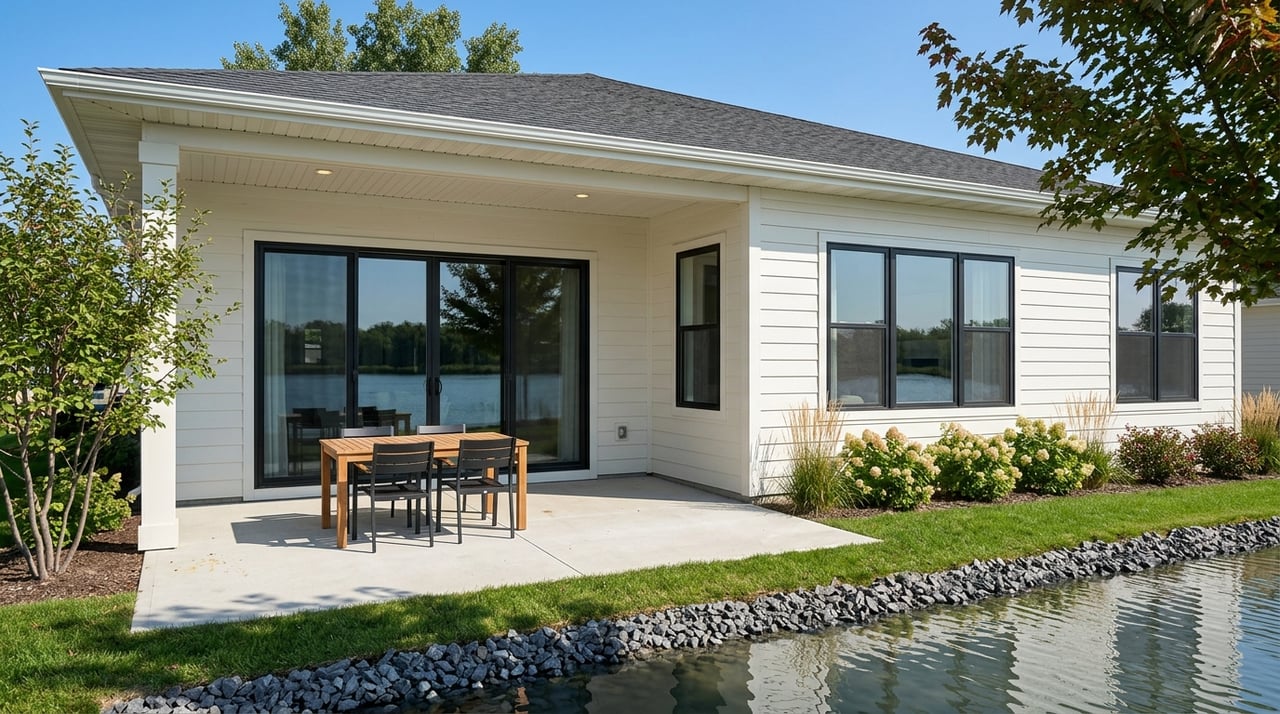
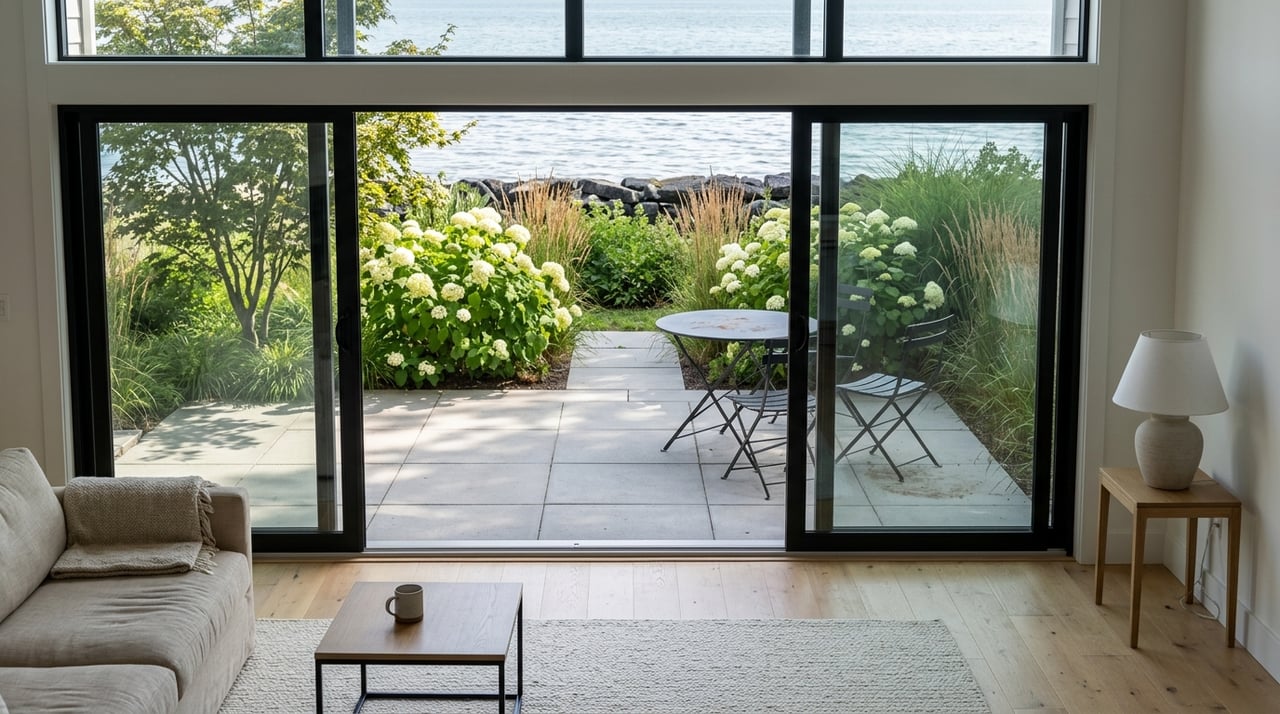
Some homes sit directly on the water, while others may offer a view or access to community amenities without giving you shoreline control. That difference matters because annual assessments apply to all properties inside the association boundary, but shoreline and dock rules apply specifically to waterfront lots. In simple terms, seeing the lake and owning lake rights are not the same thing.
The City of Lake Saint Louis also recognizes that trust indentures help define association membership, voting rights, common-ground ownership, funding, and maintenance responsibilities. For you as a buyer, that means the governing documents are part of the purchase decision, not just closing paperwork. They help shape what you can do with the property and what costs come with ownership.
Waterfront rights are not all equal
Before you fall in love with a backyard view, ask what kind of access actually comes with the property. In Lake Saint Louis, a home might include direct waterfront use, a rented slip, or only community access through the association. Each option comes with different rights, costs, and approval requirements.
That is especially important if boating is part of your plan. A listing can highlight the lake lifestyle, but you still need to confirm whether you are buying actual shoreline privileges, inheriting a lease arrangement, or starting from scratch on a waitlist. Those are very different ownership experiences.
Waterfront lots have added rules
The community covenants place clear limits on waterfront lots. Boathouses, docks, wharfs, and related shoreline structures require Architectural Control Committee approval. The rules also prohibit changing shoreline contours or filling in water to enlarge a lot.
Those restrictions are important because they affect how flexible a property really is. If you are picturing a future dock project or shoreline improvements, you need to know that approval is required and not guaranteed. The committee reviews lakeside projects based on factors like location, topography, and harmony with existing structures.
Dock rules can affect usability
The 2024 Lakes & Parks rules say only one dock is allowed per waterfront lot. Docks and lift combinations must be at least 20 feet from side property lines, and dock width is limited based on shoreline frontage.
For buyers, this means the shape and size of the lot matter just as much as the water view. Two waterfront homes can offer very different dock potential depending on frontage and layout. A property that looks ideal on first tour may be more limited once you review the rules.
Marina and slip access matters too
The association says the Main Marina houses 196 boats, Windjammer Pointe has 35, and there are 242 additional dock or slip spaces elsewhere in the community. Rental docks are assigned based on availability, which means access is not always immediate.
If a property does not come with direct dock rights, ask whether the seller has a rented slip, whether that arrangement transfers, and whether there is a waiting list. Also ask about deadlines. In 2026, if a dock fee is not paid by April 1, the slip can be offered to the next person on the waiting list.
Boat ownership comes with paperwork
If you plan to keep a boat in Lake Saint Louis, your checklist should include more than storage and fuel. The association requires a boating safety course before motor-boat registration, along with original boat and outboard titles and proof of insurance. Some boat classes also require annual inspection or an acknowledgment of rules.
Timing matters too. The 2026 boat registration year runs from April 1 through March 31, and boats on or near the water must display current stickers by April 1. Fees range from $31 for small non-motorized craft to $327 for certain higher-performance classes.
Missing a deadline can get expensive. Failure to display current stickers by April 1 can trigger a $100 fine, and after May 1, repeated 30-day suspensions may follow. If boating is central to your lifestyle, these operating rules should be part of your budget and calendar from day one.
Know the full cost of lake living
Waterfront living in Lake Saint Louis can be rewarding, but it also comes with recurring costs beyond your mortgage. In 2026, the mandatory annual assessment is $650 for all properties within the association boundary. That fee applies whether or not the property sits directly on the shoreline.
You may also have optional or use-based costs depending on how you plan to enjoy the community. The 2026 amenity package is $110.11 for a single membership, $188.91 for a couple, and $246.13 for a family after tax. That package covers golf, tennis, pickleball, pool, and fitness access.
If you own a boat or need a slip, your costs can rise further. In 2026, the dock slip fee is $578, the Woodlands lift fee is $444, and the lift deposit is $825. These numbers make it clear that the real cost of lake living depends on how much of the lifestyle you plan to use.
Delinquent accounts can limit access
The association also says assessments must be paid in full before a buyer can purchase an amenity package, register a boat, or pay dock rental fees. Unpaid accounts can lead to late charges and liens. That makes account status an important due diligence item before closing.
When you are under contract, confirm whether the seller’s account is current and whether any fees, fines, or compliance issues are attached to the property. This is one of the simplest ways to prevent avoidable surprises after you take ownership.
Drainage and erosion should not be ignored
Near-water and lake-area lots often bring drainage questions that buyers overlook. The City of Lake Saint Louis says storm drains and culverts ultimately drain into Lake Saint Louis and Lake Sainte Louise, and private owners are responsible for keeping private drainage ways open. That can affect maintenance expectations on certain properties.
The city also notes that rain gardens can help slow water flow, reduce flooding, and improve water quality. For you, that is a reminder that grading, runoff, and drainage patterns matter when evaluating a lot near the water. A beautiful setting can still come with practical site-work concerns.
If a shoreline, gully, or retention area already shows signs of erosion, ask questions early. The city’s creek-bank stabilization assistance program can provide rock materials for erosion problems that affect the lakes, but the owner supplies labor and may need permits or clearances from the Army Corps of Engineers and the Missouri Department of Natural Resources. In other words, an existing erosion issue can still require time, money, and coordination.
Ask who maintains nearby water features
Not every drainage feature is handled the same way. The city says detention ponds and retention ponds are usually the responsibility of the neighborhood association, while privately owned drainage ways remain the owner’s responsibility.
That distinction matters when you review a property near a swale, pond, creek bank, or other drainage area. Before closing, make sure you know what is private, what is shared, and what maintenance obligations may come with the lot.
Flood insurance is a separate question
Many buyers assume standard homeowners insurance covers every water-related risk. It does not. The Missouri Department of Commerce and Insurance says standard homeowners insurance does not cover flooding.
That is why flood questions should come up early in your search. FEMA says a property in a high-risk flood zone can require flood insurance when the mortgage is federally backed, and flood insurance may still be a smart choice even when it is not required.
A lake view does not automatically mean a flood problem, but it should prompt you to verify the flood zone and request a separate flood insurance quote. That way, you can evaluate the true monthly cost of ownership before you finalize your purchase.
Best questions to ask before closing
If you are serious about buying near the water in Lake Saint Louis, clear questions can save you money and frustration. Use this list before you remove contingencies:
- Is this a true waterfront lot, a view lot, or a home with only community lake access?
- Does the property include dock rights, a leased slip, or a waitlist position?
- What approvals are needed for docks, lifts, shoreline structures, or future exterior changes?
- Are the seller’s assessments, fees, and any lake-related charges current?
- What boat registration, insurance, and safety-course requirements apply to your planned use?
- Who maintains any nearby drainage swale, creek bank, detention pond, or retention pond?
- Is the property in a flood zone, and what would flood insurance cost?
These are not small details in this market. In Lake Saint Louis, they are part of understanding what you are really buying.
Why preparation matters most
The best lake-area purchase is usually not the one with the flashiest listing photos. It is the one where you understand the rule set, annual costs, maintenance responsibilities, and access rights before the offer is accepted.
That is especially true in a community-association-managed lake market like Lake Saint Louis. When you go in with a clear picture of the property’s rights and responsibilities, you can buy with more confidence and enjoy the water for the right reasons.
If you are comparing waterfront homes, view properties, or lake-access options in St. Charles County, the right guidance can help you spot the differences that matter. The team at Yuede Brothers can help you evaluate property details, recurring costs, and local market factors so you can make a smart move.
FAQs
What does buying near the water in Lake Saint Louis actually include?
- It can mean very different things, including a true waterfront lot, a home with a lake view, a property with a rented slip, or a home inside the association boundary that only includes community amenity access.
What are the annual fees for Lake Saint Louis properties?
- In 2026, the mandatory annual assessment is $650 for all properties within the association boundary, and additional costs may include amenity-package fees, boat registration fees, dock slip fees, and lift-related charges.
Can you build or change a dock on a Lake Saint Louis waterfront lot?
- Waterfront docks and shoreline structures require Architectural Control Committee approval, and the covenants prohibit changing shoreline contours or filling in water to enlarge a lot.
What should boat owners know before buying in Lake Saint Louis?
- Boat owners should verify registration rules, required safety courses, title documentation, proof of insurance, inspection requirements for certain classes, and annual registration deadlines.
Does homeowners insurance cover flooding for Lake Saint Louis homes?
- No, the Missouri Department of Commerce and Insurance says standard homeowners insurance does not cover flooding, so you should verify the flood zone and request a separate flood insurance quote.
Who maintains drainage areas near a Lake Saint Louis home?
- The city says privately owned drainage ways are the owner’s responsibility, while detention and retention ponds are usually maintained by the neighborhood association.